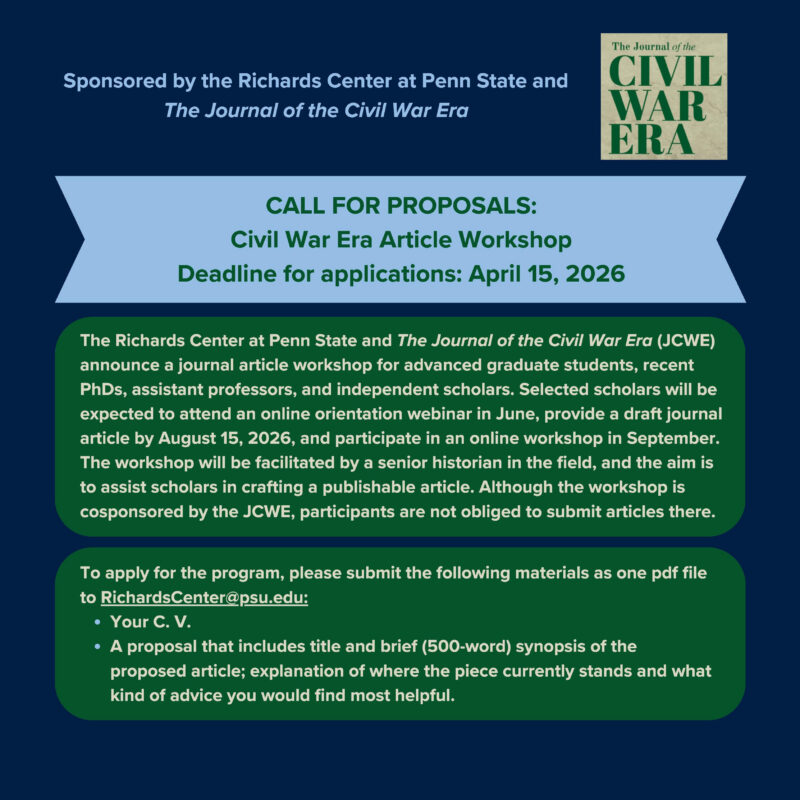
Call for Proposals: Civil War Era Article Workshop
The Richards Center at Penn State and The Journal of the Civil War Era announce a journal article workshop for advanced graduate students, recent PhDs, assistant professors, and independent scholars. Selected scholars will be expected to attend an online orientation webinar in June, provide a draft journal article by August ...
Read More
Read More
JCWE Conversation with Maria Angela Diaz
In today's Muster, JCWE Book Review Editor talks with Angela Diaz about her book, Continuous State of War: Empire Building and Race Making in the Civil War-Era Gulf South, which was published by UGA Press in 2024 ...
Read More
Read More

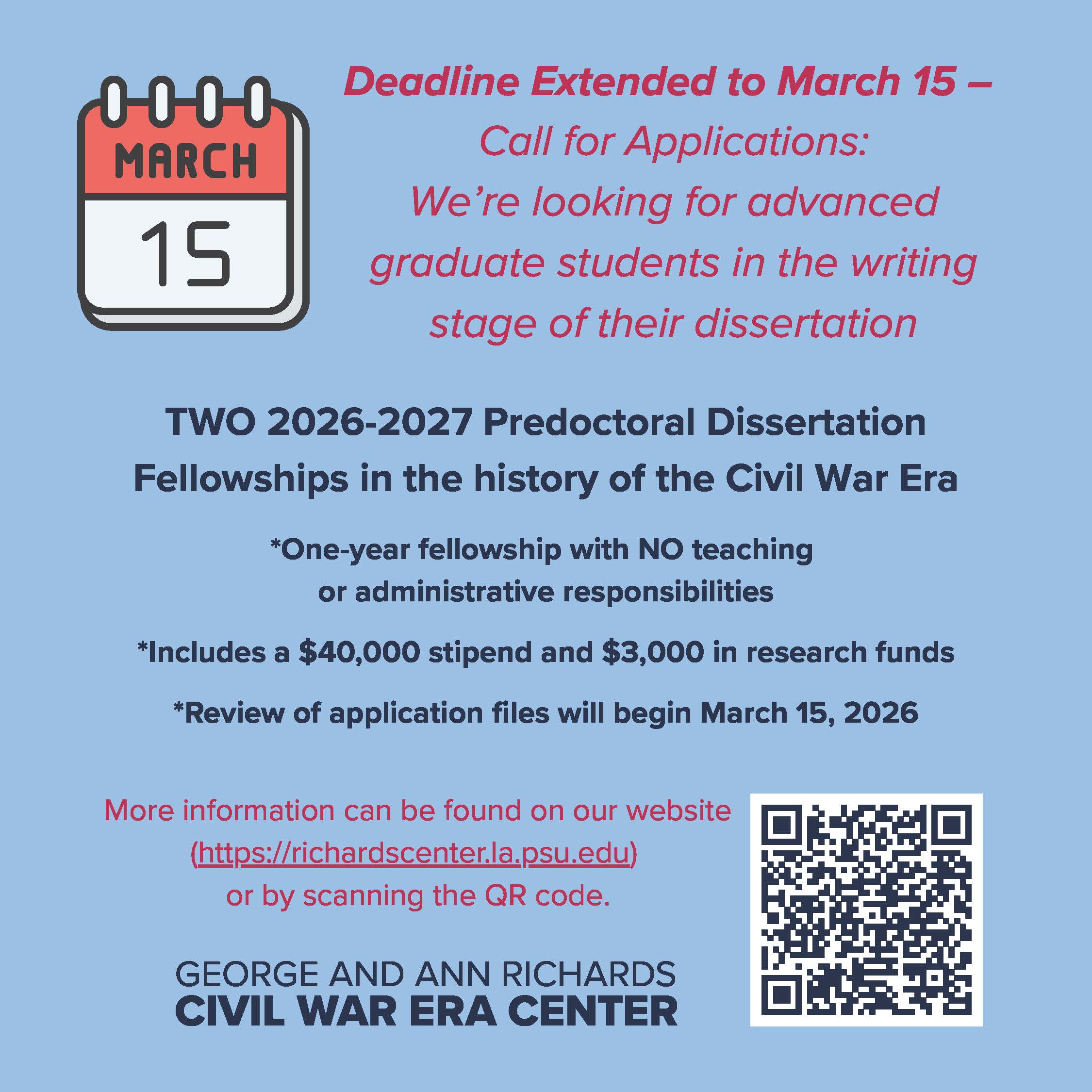
Extended: Deadline for Richards Center Predoctoral Dissertation Fellowship
The Richards Civil War Era Center, in the College of the Liberal Arts, Penn State, invites applications for two 2026-27 predoctoral dissertation fellowships in the history of the Civil War Era. The Richards Center conceives of the Civil War Era broadly. We especially welcome projects related to the history ...
Read More
Read More

The Unspendable Pension of Henrietta Emory Meads
Sometime in July 1867, Henrietta Emory wrote to a clerk in the Claim Division of the Maryland Freedmen’s Bureau describing the challenges she had faced in trying to get money due to her as a soldier’s widow. “I have had so much trouble & gone so in debt to get ...
Read More
Read More

Previewing the March 2026 JCWE (Currently Available for Free)
This issue of the Journal of the Civil War Era departs from our normal work of publishing articles and review essays to ask, "What should historians of crisis do in a moment of crisis?" We conceived this issue in spring 2025, as we observed two converging phenomena: The Trump administration swept into ...
Read More
Read More

A Tentative Start: Animal Rights in Florida During Reconstruction
Shortly after the end of the Civil War, Florida wrote a new state constitution and held elections to seat a legislature. Tasked with handling the issues that arose in postbellum Florida society, the legislators interestingly took time to enact a law that addressed an unusual topic – animal protection. Influenced ...
Read More
Read More

Henry ‘Box’ Brown: Tobacco Worker, Stage Magician, Tourist Attraction
Henry ‘Box’ Brown had a variety of identities in his life-tobacco factory worker, escaped slave, abolitionist, lecturer, and touring panoramist and entertainer on the English stage. In recent years, a variety of artists, performers, and writers have carried on his legacy via the performing arts. However, one aspect of his ...
Read More
Read More

Muster Call for Graduate Student Submissions
The Society of Civil War Historians’ Graduate Student Connection Committee, together with Muster, the blog of The Journal of the Civil War Era, is calling for submissions from graduate students. Muster’s goal is to foster connections between The Journal of the Civil War Era and its readers, building relationships and ...
Read More
Read More

Remembering Reconstruction’s Lost Generation
Benjamin Franklin Randolph was part of a generation that changed the nation’s political history. Born free and raised in Ohio, he attended Oberlin College and after graduating he served as a principal of a Black public school in Buffalo New York. Like many Black northerners of his generation, he saw ...
Read More
Read More

Death by Lightning – An Ode to Service
In his inaugural speech on March 4, 1881, newly elected President James Garfield emphasized the importance of ongoing Reconstruction, asserting that the “elevation of the negro race from slavery to the full rights of citizenship is the most important political change we have known since the adoption of the Constitution ...
Read More
Read More
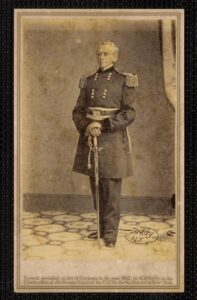
Canada Caught in the Cross Fire: How U.S. Major General John Adams Dix Confronted Confederate Violence on the International Border
Hundreds of miles from the cacophony of hissing Minié balls, rumbling artillery fire, and thumping drums that defined the acoustic environment of battlefields in established theaters of war, Major General John Adams Dix commanded the U.S. Army’s Department of the East from its headquarters located at forty-four Bleecker Street in ...
Read More
Read More

Previewing the December 2025 JCWE
With this issue of the journal, we complete six years as coeditors and feel inspired by the work of so many of our professional colleagues who keep scholarly journals functioning and humbled by Bill Blair's much longer tenure in this role. Our term has been shaped by COVID-19's disruptions of ...
Read More
Read More
Compensated Emancipation in Maryland during the Civil War
Historians have long marked President Abraham Lincoln’s January 1, 1863, Emancipation Proclamation as the harbinger of immediate, uncompensated emancipation in both the Confederacy and the Border States. However, as my new book, Counting the Cost of Freedom (UNC Press, 2025) argues, that outcome was far from certain in 1863. In ...
Read More
Read More
JCWE Conversation with J Matt Ward
In today's Muster, J Matt Ward, Assistant Professor of History at Quincy University, chats with JCWE Book Review Editor Megan Bever about his book, Garden of Ruins (LSU Press, 2024) ...
Read More
Read More
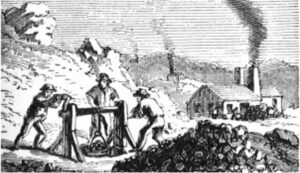
Stephen Douglas’ Fictitious Case: Immigrant Voting in Antebellum Illinois
Both sides agreed on the facts. Both sides, the Whigs and the Democrats, agreed that on August 6, 1838, Jeremiah Kyle went to the window of a polling booth in Galena, Illinois. Both sides agreed that when Kyle arrived at the window of the polling booth, he submitted his vote ...
Read More
Read More
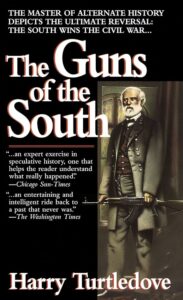
Alternative Fictions: The New Lost Cause in the Post-Civil Rights Era
“What if the South Won the Civil War?” Answers to this question reflect shifts in collective memory as authors use artistic license to reframe the real-world past.[1] Mackinlay Kantor’s answer in 1960 signaled the impending shift in the Lost Cause ideology within an emerging cultural landscape that was being reshaped ...
Read More
Read More